
Pricing your products or services effectively is a critical aspect of running a successful business. Whether you’re selling physical goods, digital downloads, or offering professional services, understanding how to establish the optimal price point can significantly impact your profitability, market share, and overall brand perception. Incorrect pricing can lead to lost revenue, while strategic pricing can maximize profits and foster customer loyalty. This guide will explore proven strategies and methodologies for pricing your products or services effectively, empowering you to make informed decisions that drive business growth.
From understanding your target market and analyzing your costs to exploring various pricing models and implementing dynamic pricing strategies, this comprehensive guide will provide you with the tools and knowledge necessary to confidently price your offerings. We will delve into the nuances of value-based pricing, competitive pricing, and cost-plus pricing, highlighting the benefits and drawbacks of each approach. Learn how to conduct thorough market research, calculate your break-even point, and ultimately determine a pricing strategy that aligns with your business objectives and resonates with your customers, leading to sustainable success and effective product pricing.
Understanding Pricing Models
Selecting the right pricing model is crucial for profitability and market competitiveness. Several models exist, each with its own advantages and disadvantages.
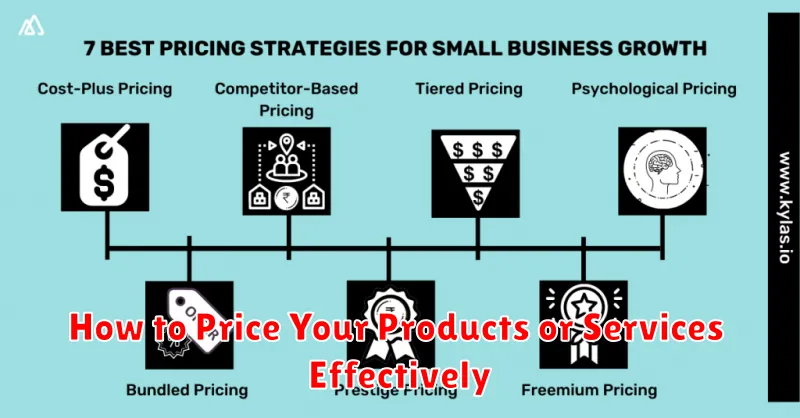
Cost-plus pricing involves adding a markup to your product’s cost. This ensures a profit margin but may not be competitive. Value-based pricing focuses on the perceived value to the customer. This can lead to higher profits but requires thorough market research.
Competitive pricing aligns your prices with competitors. This is simple to implement but can lead to price wars. Premium pricing sets higher prices to reflect exclusivity or superior quality. This works well for luxury goods or specialized services.
Cost-Based vs Value-Based Pricing
Choosing the right pricing strategy is crucial for business success. Two common approaches are cost-based pricing and value-based pricing. Cost-based pricing focuses on calculating the total cost of production and adding a desired markup. This ensures profitability but may not reflect market value. Value-based pricing, on the other hand, prioritizes the perceived value of the product or service to the customer.
Value-based pricing often leads to higher profit margins if customers recognize the value proposition. However, it requires thorough market research to understand customer needs and preferences. Cost-based pricing provides a simpler starting point, especially for new businesses, but it might miss opportunities for maximizing revenue if the market is willing to pay a premium.
Competitor Research and Market Trends
Understanding your competition and current market trends is crucial for effective pricing. Analyze your competitors’ pricing strategies for similar products or services. Identify their strengths and weaknesses to find opportunities for differentiation.
Research prevailing market trends impacting your industry. Are prices generally rising or falling? Is demand increasing or decreasing? This information will inform your pricing decisions and allow you to position your offerings competitively.
Psychological Pricing Tactics
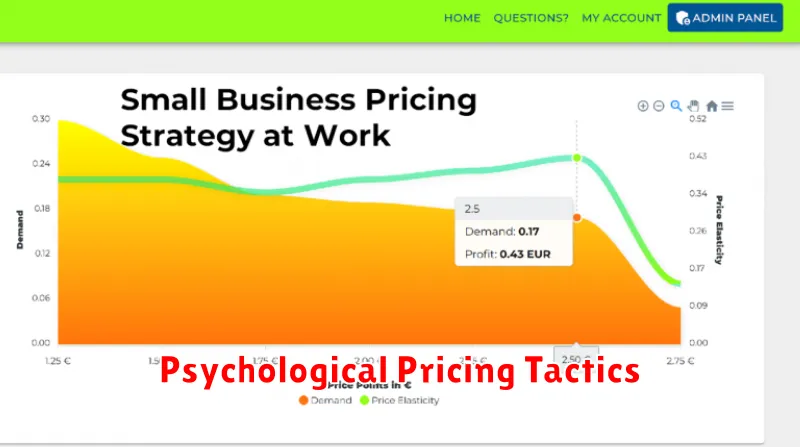
Psychological pricing leverages consumer psychology to influence purchasing decisions. These tactics go beyond basic cost-plus or value-based pricing, focusing on the perception of price.
One common tactic is charm pricing, which uses prices ending in .99. This gives the impression of a lower price. Prestige pricing takes the opposite approach, using rounded numbers to project an image of high quality and exclusivity.
Another effective tactic is using price anchoring. This involves presenting a higher “comparison” price alongside the actual selling price, making the latter appear more appealing.
Testing Price Sensitivity
Testing price sensitivity helps you understand how changes in price affect customer demand. This is crucial for optimizing your pricing strategy and maximizing revenue.
Several methods can be used to gauge price sensitivity. Surveys can directly ask potential customers about their willingness to pay at different price points. A/B testing involves offering the same product or service at different prices to different customer segments and analyzing the resulting sales data. Analyzing historical sales data, if available, can also provide insights into how price changes have impacted past performance.
Key metrics to track during price sensitivity testing include conversion rates, sales volume, and overall revenue. By carefully monitoring these metrics, you can identify the optimal price point that balances profitability with customer acquisition and retention.
Adjusting Prices Over Time
Pricing isn’t a one-time decision. Regular price adjustments are crucial for maintaining profitability and competitiveness. Market conditions, cost fluctuations, and customer demand all influence optimal pricing.
Monitor key metrics. Track your sales volume, profit margins, and customer feedback. These indicators will signal when a price adjustment may be necessary.
Consider incremental changes. Small, regular price adjustments are generally less disruptive than large, infrequent ones. This allows you to fine-tune your pricing strategy while minimizing customer impact.
Communicate clearly. If you do implement price changes, explain the reasoning behind the adjustments to your customers. Transparency builds trust and fosters understanding.
Transparent Pricing on Your Website
Clearly displaying your pricing is crucial for building trust and converting potential clients. Transparency builds confidence. Customers appreciate knowing what to expect upfront, eliminating any surprises during the purchase process.
Several methods can achieve pricing transparency. Consider a dedicated pricing page, easily accessible from your main navigation. Within this section, use clear and concise language to describe each pricing tier or product cost. Avoid hidden fees. If additional charges apply, detail them explicitly.
For services, consider offering packages. Clearly outline what each package includes and its corresponding price. This structure provides clients with options and reinforces the value proposition of each offering.
Incorporating Discounts and Promotions
Discounts and promotions are powerful tools for attracting customers and boosting sales. However, they must be strategically implemented to avoid eroding profit margins. Consider your overall pricing strategy and target profit margin when developing promotions. A deep discount may attract customers, but it needs to result in increased sales volume to be truly effective.
Analyze your target audience to determine what types of promotions resonate most effectively. Some demographics respond better to percentage discounts, while others are drawn to offers like “buy one, get one.” Monitor the results of your promotions to assess their effectiveness and make adjustments as needed. Track key metrics like sales volume, conversion rates, and customer acquisition cost to optimize future promotional campaigns.
Tracking Customer Reactions
Monitoring customer reactions post-pricing changes is crucial. This helps determine the effectiveness of your pricing strategy and identify areas for improvement. Pay close attention to sales data, website traffic, and social media engagement.
Analyze sales volume changes. A significant drop may indicate customer resistance to the new prices. Conversely, a substantial increase can signal an opportunity to further optimize pricing.
Website traffic and social media engagement provide valuable qualitative data. Monitor comments, feedback, and reviews to gauge customer sentiment towards the price adjustments.
Avoiding Undervaluing Your Offerings
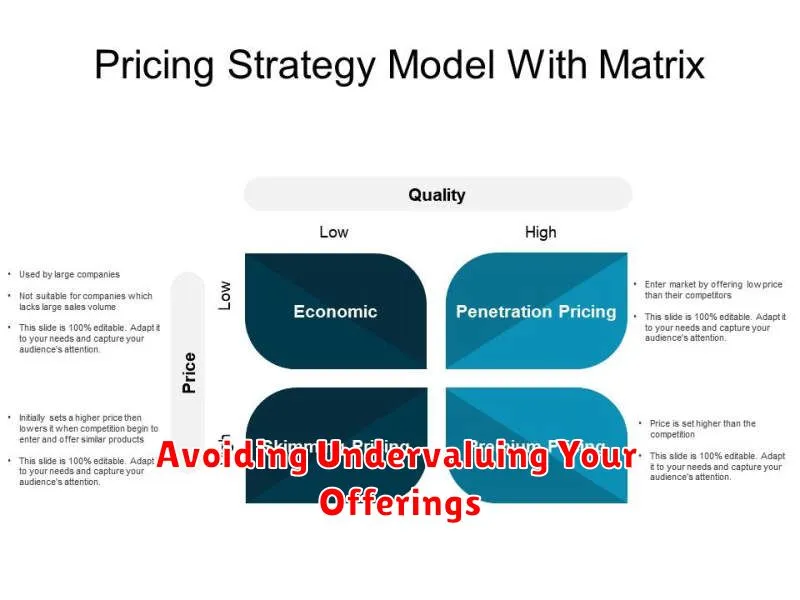
One of the most common pricing mistakes is undervaluing your products or services. This can stem from a lack of confidence, fear of competition, or a misunderstanding of your target market’s willingness to pay. Undervaluing not only diminishes your profit margins but also potentially damages your brand image. Customers may perceive lower prices as an indicator of lower quality.
Thoroughly research your competitors’ pricing, but don’t automatically undercut them. Focus on the value you provide. If you offer superior quality, customer service, or unique features, you can justify a higher price point. Consider your costs, including materials, labor, and overhead, but also factor in the intangible value you bring to the table.
