

In today’s digital age, a strong online presence is no longer a luxury, but a necessity for businesses of all sizes. Whether you’re a small startup or a large corporation, cultivating a robust online presence is essential for reaching new customers, building brand awareness, and ultimately, driving growth. This comprehensive guide will delve into the key strategies and tactics necessary to build a powerful online presence that will help your business thrive in the competitive digital landscape. From optimizing your website for search engines to leveraging the power of social media, we’ll explore the essential elements that will contribute to your online success.
Building a strong online presence requires a strategic and multifaceted approach. It’s about more than just having a website; it’s about creating a cohesive and engaging online experience that resonates with your target audience. This involves understanding your target market, crafting compelling content, and utilizing the right digital marketing tools. By implementing the strategies outlined in this guide, you can establish a strong online presence that not only attracts new customers but also fosters loyalty and drives long-term business growth.
Creating a Professional Website
Your website serves as the central hub of your online presence. It’s often the first place potential customers go to learn more about your business. Therefore, creating a professional website is crucial for building a strong online presence.
A professional website should be well-designed, easy to navigate, and optimized for mobile devices. It should clearly communicate your brand message and provide valuable information to your target audience.
Key elements of a professional website include:
- Clear and concise content: Focus on providing valuable information that answers your audience’s questions.
- User-friendly navigation: Ensure visitors can easily find what they’re looking for.
- Responsive design: Make sure your website looks good and functions properly on all devices.
- Call to action: Guide visitors towards desired actions, such as contacting you or making a purchase.
Using SEO to Improve Visibility
Search Engine Optimization (SEO) is a critical component of building a strong online presence. It involves optimizing your website and content to rank higher in search engine results pages (SERPs). Higher rankings translate to increased visibility and more organic (non-paid) traffic to your website.
Key SEO elements include keyword research, on-page optimization (optimizing content and HTML), and off-page optimization (building backlinks from reputable sources). By strategically incorporating relevant keywords and building high-quality content, you can attract more potential customers searching for products or services like yours.
Building an Email List
Building a robust email list is a cornerstone of any successful online presence. It provides a direct line of communication to nurture leads and convert them into loyal customers. Email marketing remains a highly effective strategy, boasting impressive return on investment (ROI).
Begin by offering valuable incentives for sign-ups, such as exclusive content, discounts, or early access to new products. Lead magnets like ebooks, checklists, or webinars are particularly effective. Ensure your sign-up process is simple and user-friendly, requiring minimal information.
Once subscribed, provide consistent and engaging content. Avoid bombarding subscribers with excessive emails; instead, focus on providing value that keeps them interested and reinforces your brand’s expertise.
Choosing the Right Social Platforms

Selecting the right social media platforms is crucial for building a strong online presence. Don’t feel obligated to be on every platform. Instead, focus your efforts where your target audience spends their time.
Consider your business goals. Are you looking to drive sales, build brand awareness, or provide customer service? Different platforms excel in different areas. For example, Instagram is visually driven and excellent for showcasing products, while Twitter is ideal for quick updates and engaging in conversations.
Research your competitors. Identify which platforms they use and analyze their success. This can offer valuable insights into where your target audience is active and what strategies are effective.
Publishing Valuable Content
Creating high-quality, relevant content is crucial for establishing a strong online presence. This content should provide value to your target audience, addressing their needs and interests.
Focus on creating content that is informative, engaging, and shareable. This could include blog posts, articles, videos, infographics, or other formats relevant to your industry.
Consistency is key. Establish a regular posting schedule to keep your audience engaged and maintain a steady flow of valuable information.
Getting Featured in Online Directories
Online directories are a key component of building a strong online presence. These platforms provide valuable backlinks to your website, improving search engine optimization (SEO) and increasing visibility to potential customers.
Choose relevant directories. Focus on industry-specific directories and general business listing sites with high authority. Ensure your business information is accurate and consistent across all platforms.
Claim and optimize your listings. Complete all available fields with detailed information about your business, including services, hours of operation, and contact details. Add photos to make your listing more engaging.
Using Google Business Profile
A Google Business Profile is a free tool that allows you to manage how your business appears on Google Search and Maps. It is a crucial component of building a strong online presence.
By creating and optimizing your profile, you can provide potential customers with essential information, such as your business address, hours of operation, contact details, and website. This makes it easier for customers to find and connect with you.
Keeping your profile accurate and up-to-date, including adding photos and responding to reviews, helps build trust and credibility with your audience. This can significantly influence their decision to choose your business over competitors.
Generating Reviews and Testimonials
Reviews and testimonials are social proof that builds trust and credibility. Encourage satisfied customers to leave reviews on platforms like Google, Yelp, and industry-specific sites.
Make the process easy by providing direct links or QR codes. Offer incentives, but never purchase reviews. Respond to both positive and negative reviews professionally. Negative reviews offer an opportunity to demonstrate your commitment to customer satisfaction.
Showcase positive testimonials on your website and social media. Short, impactful quotes with customer photos or videos are highly effective.
Engaging in Community Forums
Actively participating in relevant online forums can significantly boost your business’s online presence. Choose forums related to your industry or target audience.
Provide valuable insights and contribute meaningfully to discussions. Don’t just promote your business; focus on building relationships and establishing yourself as a knowledgeable resource. Answer questions, offer helpful advice, and engage respectfully with other members.
Monitor forum activity regularly to stay informed about trending topics and customer concerns. This allows you to address issues proactively and demonstrate your expertise.
Tracking Web Analytics and Insights
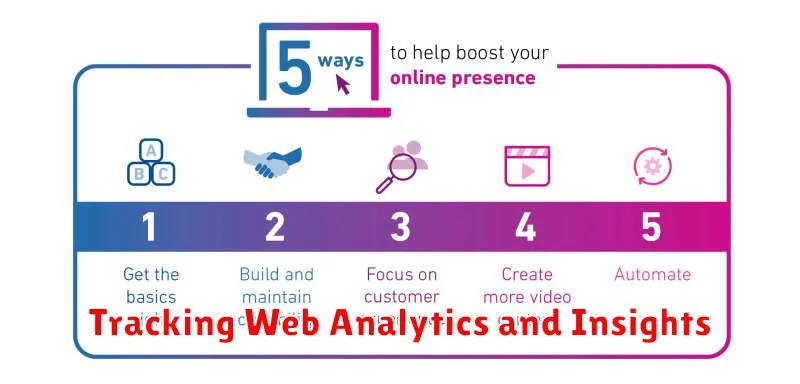
Web analytics are crucial for understanding your online audience and measuring the effectiveness of your online presence. Tracking key metrics provides valuable insights into user behavior, content performance, and overall website effectiveness.
Implement a robust analytics platform like Google Analytics to monitor website traffic, user engagement, and conversion rates. Track metrics such as:
- Page views: The number of times a page is viewed.
- Bounce rate: The percentage of visitors who leave after viewing only one page.
- Session duration: The average time spent by users on your website.
- Conversion rate: The percentage of visitors who complete a desired action (e.g., making a purchase).
Analyzing this data helps you understand what’s working and what needs improvement, allowing you to optimize your website and content for better results.
