
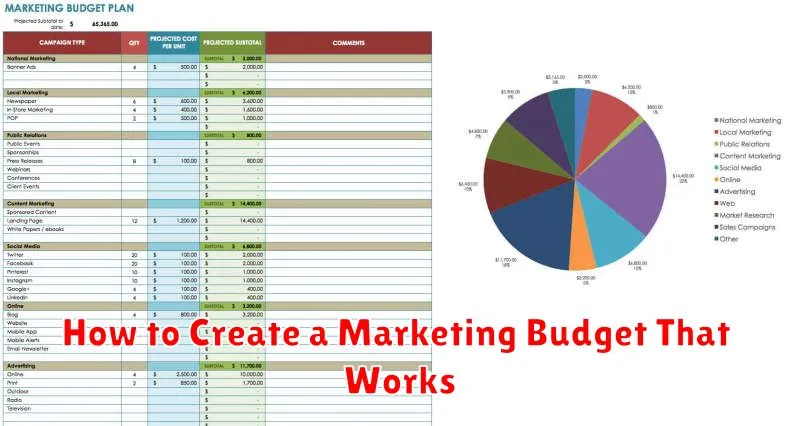
Creating a marketing budget is a crucial step for any business, regardless of size or industry. A well-defined budget provides a roadmap for your marketing efforts, ensuring that resources are allocated effectively to achieve your marketing goals. This guide will outline how to create a marketing budget that works, helping you to maximize your return on investment (ROI) and drive business growth. Whether you’re a startup with limited resources or an established enterprise, understanding how to allocate funds across different marketing channels is essential for success. Learn how to define your marketing objectives, analyze your target audience, and choose the right marketing strategies to create a marketing budget that delivers results.
Developing an effective marketing budget requires careful planning and consideration. This process involves identifying key performance indicators (KPIs), forecasting potential revenue, and tracking marketing spend. By following the steps outlined in this article, you’ll learn how to build a marketing budget that aligns with your overall business objectives. From calculating your total marketing budget to allocating resources to specific marketing activities, this guide provides a practical framework for optimizing your marketing investments and achieving sustainable growth. Master the art of budget allocation and learn how to create a marketing budget that truly works for your business.
Why You Need a Marketing Budget
A marketing budget is more than just a spreadsheet; it’s a strategic roadmap for your business growth. It provides a structured approach to allocating resources, ensuring you invest wisely in activities that deliver the highest return on investment (ROI).
Without a budget, marketing efforts often become haphazard and inefficient. A defined budget helps you prioritize activities, track spending, and measure results against clearly defined goals. This allows for data-driven decision-making, enabling you to optimize campaigns and maximize your impact in the market.
Ultimately, a well-defined marketing budget empowers you to control your finances, justify marketing spend, and ultimately achieve your business objectives.
Determining a Realistic Budget Range
Establishing a practical marketing budget requires a careful assessment of your company’s resources and objectives. Start by analyzing your current financial standing. Revenue projections are crucial, as your marketing spend should align with your expected income. Consider both your overall revenue and the portion specifically allocated for marketing activities.
Industry benchmarks can provide valuable guidance. Research typical marketing budget percentages within your sector. This data helps contextualize your spending and ensures you’re allocating a competitive amount. While benchmarks offer a helpful starting point, tailor the range to your specific needs and goals.
Allocating Budget by Channel
After defining your overall marketing budget, the next crucial step is allocating resources across different channels. This involves strategically dividing your budget among various marketing avenues to maximize your return on investment (ROI).
Consider the target audience for each channel. Where are they most active? Which platforms align with their preferences and behaviors? For instance, a younger demographic might be more responsive to social media campaigns, while an older audience might be better reached through email marketing or print advertising.
Analyze historical data, if available. Which channels have previously generated the most leads or conversions? This information can guide your allocation decisions and help you prioritize high-performing channels. Don’t be afraid to experiment with new channels, but allocate a smaller portion of your budget to these until their effectiveness is proven.
Setting Measurable Objectives
A successful marketing budget begins with clearly defined, measurable objectives. Without them, you’re essentially spending money without a clear direction. Measurable objectives provide a roadmap and allow you to track progress and demonstrate return on investment (ROI).
Start by identifying what you want to achieve. Do you want to increase brand awareness, generate leads, or drive sales? Quantify these goals. For example, instead of “increase brand awareness,” aim for a “20% increase in social media followers” or a “15% lift in website traffic” within a specific timeframe.
Using the SMART framework can be helpful. Ensure your objectives are Specific, Measurable, Achievable, Relevant, and Time-bound. This framework provides a structure for setting objectives that are both ambitious and attainable.
Tracking Campaign ROI
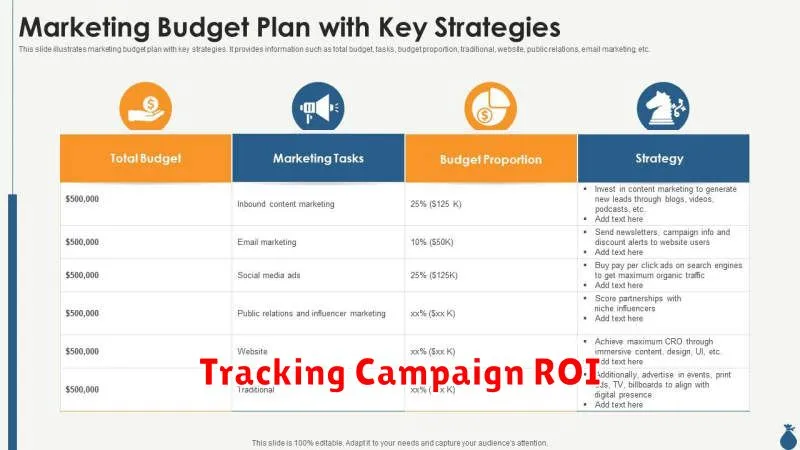
Tracking your campaign return on investment (ROI) is crucial for understanding marketing effectiveness and optimizing budget allocation. Calculate ROI by subtracting the campaign cost from the total revenue generated, then dividing that result by the campaign cost. Express this figure as a percentage.
Monitor key performance indicators (KPIs) relevant to your campaign objectives. These might include website traffic, leads generated, conversion rates, or sales. Regularly analyze these metrics to assess campaign progress and identify areas for improvement.
Use analytics platforms to gather data and visualize performance. This will help you understand which campaigns are driving the best results and allow you to refine your strategies for future campaigns.
Using Tools for Budget Management
Managing your marketing budget effectively requires more than just spreadsheets. Utilizing dedicated budgeting tools can significantly streamline the process and offer valuable insights. These tools come in various forms, from simple spreadsheet templates to sophisticated software solutions.
Spreadsheet software like Microsoft Excel or Google Sheets provides a basic yet functional platform for budget tracking. They allow you to categorize expenses, monitor spending against allocated amounts, and create visual representations of your budget.
Dedicated budgeting software offers more advanced features such as automated reporting, forecasting capabilities, and integration with other marketing platforms. This provides a more holistic view of your marketing performance and facilitates data-driven decision-making.
Choosing the right tool depends on the complexity of your budget and the size of your business. While smaller businesses might find spreadsheet software sufficient, larger organizations with complex marketing campaigns can benefit from the advanced functionalities of dedicated budgeting software.
Adapting to Market Changes
Market dynamics shift constantly. A flexible marketing budget is crucial for navigating these changes effectively. Regularly review your budget, ideally quarterly, and be prepared to adjust allocations based on performance and emerging trends.
If a particular campaign underperforms, don’t hesitate to reallocate funds to more promising initiatives. Conversely, if a strategy proves highly effective, consider increasing its budget to capitalize on the opportunity.
Monitoring key performance indicators (KPIs) is essential for identifying areas needing adjustment. Track metrics relevant to your goals, such as website traffic, conversion rates, and return on investment (ROI). This data provides valuable insights for optimizing your budget allocation.
Tips for Small Budgets
Managing a small marketing budget requires resourcefulness and strategic planning. Focus on high-impact, low-cost activities.
Leverage free or low-cost tools like social media and email marketing to connect with your target audience.
Prioritize your spending on the channels that generate the greatest return on investment (ROI). Regularly analyze your results and adjust your budget accordingly.
Consider partnerships and collaborations with other businesses to expand your reach without significant financial outlay.
Content marketing is a cost-effective way to establish thought leadership and attract organic traffic.
Avoiding Overspending
Overspending can quickly deplete your marketing budget and hinder your return on investment. Careful planning and consistent monitoring are crucial to staying within budget.
Start by establishing clear spending limits for each marketing activity. Track your expenses regularly and compare them against your projected budget. This allows you to identify areas where you might be overspending and make necessary adjustments.
Consider using budgeting software or tools to automate tracking and provide real-time insights into your spending. This can simplify the process and improve accuracy.
Reviewing and Adjusting Quarterly
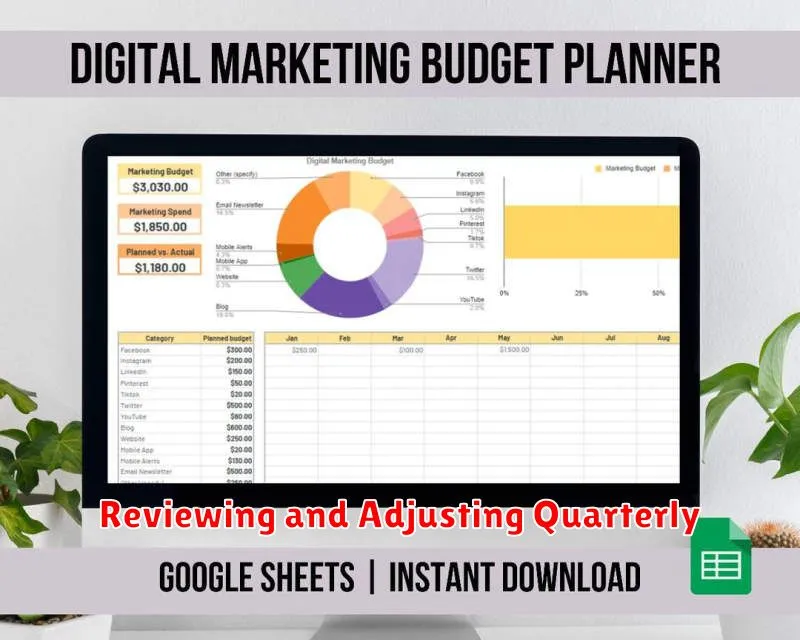
A marketing budget isn’t static. It requires regular review and adjustment to ensure its effectiveness. Quarterly reviews provide a critical opportunity to assess performance against goals and adapt to changing market conditions. This cadence allows for timely adjustments, preventing minor deviations from becoming major issues.
During the quarterly review, compare your actual spending and results against your projected figures. Identify any significant discrepancies. Ask yourself: Are campaigns performing as expected? Are we hitting our key performance indicators (KPIs)? What unforeseen factors have influenced performance?
Based on your analysis, adjust the budget for the next quarter. This might involve increasing investment in successful strategies, reallocating resources from underperforming campaigns, or incorporating new tactics based on market trends. Documentation of these adjustments is essential for future reference and analysis.
