
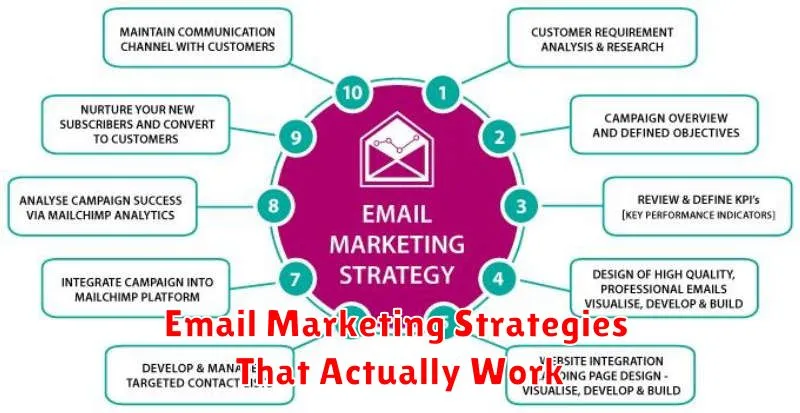
In today’s digital landscape, email marketing remains a powerful tool for businesses seeking to connect with their audience, nurture leads, and drive conversions. While other marketing channels emerge and evolve, the effectiveness of a well-crafted email marketing strategy should not be underestimated. This article explores proven email marketing strategies that yield tangible results. From crafting compelling subject lines and personalized content to segmenting your audience and optimizing for mobile devices, we will delve into the key tactics that can elevate your email marketing campaigns and maximize your return on investment.
Are you ready to unlock the full potential of your email marketing efforts? Discover how to craft email marketing strategies that truly work, driving engagement, boosting conversions, and fostering lasting relationships with your subscribers. Learn the secrets to creating email campaigns that stand out in crowded inboxes and deliver the results you desire. Whether you are a seasoned marketer or just starting out, this article offers valuable insights and actionable steps to take your email marketing to the next level.
Building a Quality Email List
A quality email list is the foundation of successful email marketing. It’s not about quantity, but about reaching the right people who are genuinely interested in your offerings.
Effective list-building strategies include offering valuable lead magnets such as ebooks, checklists, or exclusive discounts in exchange for email sign-ups.
Optimize your website with strategically placed opt-in forms. Make the sign-up process clear and concise, highlighting the benefits of joining.
Choosing the Right Email Platform
Selecting the right email platform is crucial for successful email marketing. Your chosen platform should align with your specific business needs and budget.
Consider these key factors:
- Scalability: Can the platform grow with your business?
- Deliverability: Does it have a good reputation to avoid spam filters?
- Automation: Can you automate email sequences and campaigns?
- Analytics: Does it provide robust reporting and analytics?
- Integration: Does it integrate with your existing CRM or other marketing tools?
- Pricing: Does the pricing model fit your budget?
Evaluating these factors will help you choose a platform that maximizes your email marketing ROI.
Crafting Attention-Grabbing Subject Lines
The subject line is the first, and often the only, impression you make on a potential reader. A compelling subject line can significantly increase your email open rates, while a weak one can land your message directly in the trash folder. Therefore, crafting an effective subject line is crucial for successful email marketing.
Keep subject lines concise and to the point. Avoid excessive length, as many email clients truncate longer subject lines. Aim for around 50 characters or less to ensure your entire message is visible.
Create a sense of urgency or exclusivity. Words like “limited-time,” “exclusive offer,” or “now available” can encourage recipients to open your email immediately. Personalization is also highly effective. Including the recipient’s name or referencing their past purchases can grab their attention.
Personalization and Segmentation
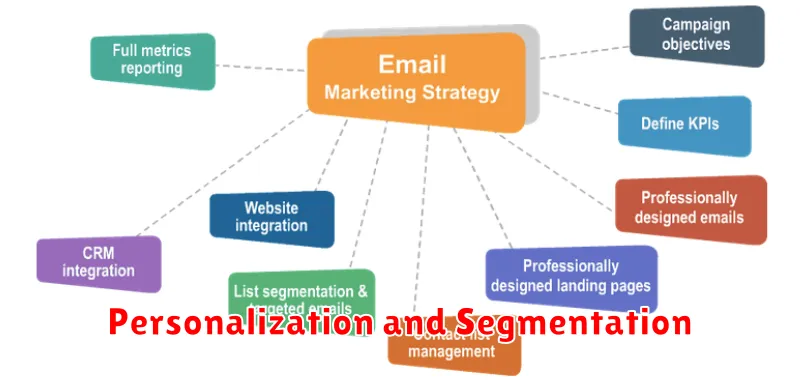
Personalization and segmentation are crucial for effective email marketing. Generic blasts rarely resonate with audiences. By segmenting your subscriber list, you can tailor your messages to specific groups based on demographics, purchase history, or engagement level.
Personalization takes this a step further by using individual subscriber data to create highly relevant content. This could include addressing subscribers by name, recommending products based on past purchases, or sending targeted birthday promotions. This approach fosters stronger connections and improves conversion rates.
Creating Automated Email Sequences
Automated email sequences are crucial for nurturing leads and driving conversions. By strategically sending pre-written emails triggered by specific actions or time intervals, you can effectively guide subscribers through a customer journey.
Consider these key elements when designing your automated sequences: welcome series for new subscribers, abandoned cart emails to recover lost sales, and post-purchase sequences to encourage repeat business. Each sequence should have a clear objective and provide value to the recipient.
Segmentation is key. Tailor your automated sequences to specific subscriber segments based on their demographics, interests, or past behavior. This personalized approach will yield significantly better results.
Best Times to Send Emails
Determining the best time to send emails isn’t an exact science, but strategic timing significantly impacts open and click-through rates. Testing is crucial for identifying what works best for your specific audience.
Generally, mid-week days like Tuesday, Wednesday, and Thursday tend to perform well. Avoid sending emails on Mondays, as people are often catching up from the weekend, and Fridays, when they’re winding down for the weekend.
Time of day also plays a role. Commonly suggested send times include late morning (10 AM-12 PM) and early afternoon (1 PM-3 PM) when people are likely checking their inboxes.
Consider your target audience’s industry, location, and habits. Experiment with different send times and track your results to optimize your email marketing strategy.
Designing Mobile-Friendly Campaigns
In today’s mobile-first world, ensuring your email campaigns render perfectly on smartphones and tablets is paramount. A mobile-friendly design is no longer a bonus, but a necessity for effective email marketing. Ignoring mobile optimization can lead to lower open rates, decreased click-through rates, and ultimately, a less successful campaign.
Key considerations include using a responsive email template that adapts to different screen sizes. Keep your subject lines concise and impactful, as they’re often truncated on mobile devices. Prioritize a single-column layout for easy readability and navigation with a thumb. Ensure button sizes are large enough for easy tapping, and avoid tiny fonts that strain the eyes.
Testing your email campaign across various devices and email clients is crucial before launching to identify and fix any rendering issues. This ensures a seamless experience for all recipients, regardless of how they access their emails.
Analyzing Open and Click Rates
Analyzing open and click rates is crucial for understanding the effectiveness of your email marketing campaigns. A low open rate may indicate issues with your subject lines or sender information, while a low click rate could point to problems with your email content or call to action.
Track these metrics closely and conduct A/B testing to optimize your campaigns. Experiment with different subject lines, email copy, and calls to action to identify what resonates best with your target audience. Regularly reviewing your open and click rates will provide valuable insights into subscriber engagement and help you refine your email marketing strategy.
Avoiding Spam Filters
Navigating spam filters is crucial for successful email marketing. Content plays a key role. Avoid excessive use of ALL CAPS, exclamation points, and spam-triggering words like “free” or “guaranteed.” Focus on providing value to your subscribers.
Technical aspects are equally important. Ensure your emails are properly authenticated using SPF, DKIM, and DMARC. Maintain a clean email list by regularly removing inactive or bounced addresses. This demonstrates responsible email practices and improves deliverability.
Testing your emails before sending is essential. Use spam checking tools to identify potential issues and refine your content accordingly. A high spam score can land your emails in the junk folder, rendering your campaign ineffective. By following these practices, you can increase the likelihood of your emails reaching your target audience.
Turning Subscribers into Customers
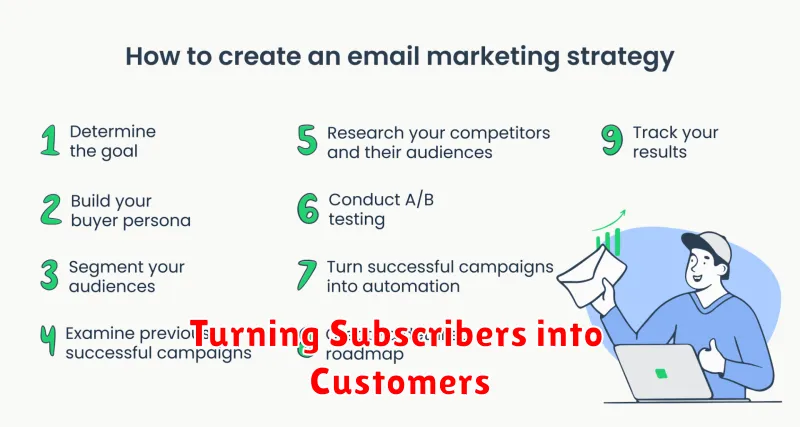
Converting subscribers into paying customers is the ultimate goal of email marketing. This requires strategic nurturing and targeted messaging. Segmentation is key; divide your subscribers into groups based on their interests and behaviors. This allows for personalized content that resonates with individual needs and desires.
Irresistible offers are crucial for driving conversions. Consider exclusive discounts, early access to new products, or valuable content upgrades. Clearly communicate the value proposition and create a sense of urgency to encourage immediate action.
Strong calls to action are essential. Guide subscribers towards the desired action, whether it’s making a purchase, browsing your website, or downloading a resource. Make these calls to action clear, concise, and visually prominent.
