
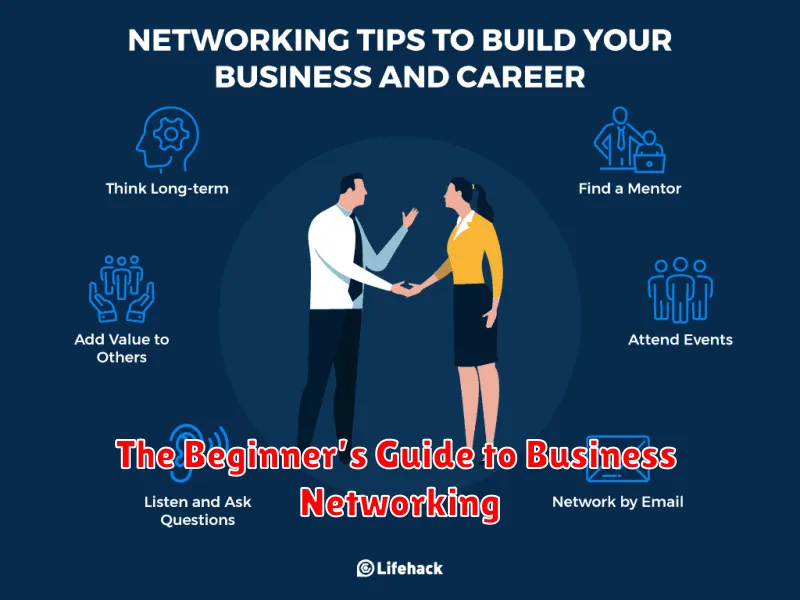
Business networking is a crucial skill for professionals in any industry. Whether you’re an entrepreneur, a salesperson, or just starting your career, understanding how to build and nurture professional relationships can significantly impact your success. This beginner’s guide will provide a comprehensive overview of business networking, covering everything from understanding its importance to mastering the art of conversation and follow-up. We’ll explore different networking strategies, both online and offline, and equip you with the tools you need to build a strong professional network that can propel your career forward.
This guide will delve into the essential elements of successful business networking. Learn how to identify valuable networking opportunities, craft a compelling elevator pitch, and navigate networking events with confidence. We’ll discuss effective communication techniques, the importance of building genuine connections, and the etiquette of professional networking. By the end of this guide, you will have a solid foundation in business networking, empowering you to build meaningful relationships that can open doors to new opportunities, collaborations, and career advancements. Embrace the power of networking and unlock your potential for professional growth.
What Is Business Networking?
Business networking is the process of establishing and nurturing professional relationships to achieve shared business goals. It involves interacting with other professionals, building rapport, and exchanging information and resources.
Effective business networking aims to create mutually beneficial connections that can lead to opportunities such as new clients, partnerships, mentorship, or career advancement. This is achieved through active participation in industry events, online platforms, and informal gatherings.
Benefits of Building a Strong Network
Building a strong professional network offers numerous advantages. It provides access to valuable resources such as information, expertise, and support.
Networking can significantly boost your career prospects. It can lead to new job opportunities, promotions, and collaborations.
A robust network helps in business development. It can connect you with potential clients, partners, and investors. This increased visibility can contribute to business growth.
Furthermore, networking enhances personal and professional development. Learning from experienced individuals and sharing insights can accelerate your growth.
Where to Network Online and Offline
Online networking offers convenience and a broad reach. LinkedIn is a primary platform for professional connections. Industry-specific forums and online communities also provide valuable networking opportunities. Engage in discussions, share insights, and connect with like-minded individuals.
Offline networking fosters stronger relationships through in-person interactions. Industry conferences and trade shows are excellent venues to meet potential clients, partners, and mentors. Local business meetups and chambers of commerce provide more localized networking opportunities. Remember to actively participate and follow up after events.
Crafting an Elevator Pitch

A strong elevator pitch is crucial for effective networking. It’s a concise and compelling summary of who you are and what you do, delivered in the time it takes for an elevator ride (roughly 30-60 seconds). This brief introduction should spark interest and pave the way for further conversation.
Key elements of a successful elevator pitch include a clear statement of your profession or area of expertise, a brief overview of your unique value proposition, and a memorable closing statement. Practice delivering your pitch until it feels natural and confident.
Consider tailoring your pitch to different audiences and situations. While the core message remains consistent, slight adjustments can make your pitch more relevant and engaging.
How to Follow Up Effectively
Following up after a networking event is crucial for building professional relationships. A timely follow-up reinforces your presence and shows genuine interest.
Within 24-48 hours, send a personalized email referencing your conversation. Mention something specific you discussed to demonstrate you were actively listening. Suggest a future meeting, perhaps for coffee or a virtual chat, to continue the conversation.
Consistency is key. Don’t be discouraged if you don’t hear back immediately. Maintain contact by liking or commenting on their professional social media posts. Be mindful not to overwhelm them with messages.
Using LinkedIn for Business Connections
LinkedIn is a powerful tool for building professional relationships. Creating a complete and accurate profile is the first step. This includes a professional photo, a compelling headline, and a detailed summary of your experience and skills.
Actively engage with your network by sharing relevant content, participating in industry discussions, and joining relevant groups. Connecting with individuals in your field, even those you haven’t met personally, can expand your network exponentially.
Use LinkedIn’s search function to identify potential connections based on industry, company, or keywords related to your profession. Personalize connection requests and follow up with a brief message to introduce yourself and explain your reason for connecting.
Joining Local and Industry Events
Participating in local and industry events offers invaluable networking opportunities. These gatherings provide a platform to connect with professionals in your field, potential clients, and even future collaborators. Attending these events allows you to learn about industry trends, expand your knowledge, and gain insights from experienced individuals.
Local events, such as chamber of commerce meetings or community gatherings, are excellent for building connections within your immediate area. Industry-specific conferences and trade shows provide a more focused approach, allowing you to meet individuals directly involved in your sector. Consider which types of events best align with your networking goals.
Networking Without Being Pushy
Networking can feel daunting, especially for beginners. The key is to approach it as building genuine relationships, not collecting business cards. Focus on authentic connection, not immediate gain.
Ask engaging questions and listen actively to their responses. People appreciate being heard. Offer helpful insights or resources related to their interests, without expecting anything in return. This builds goodwill and trust.
Follow up thoughtfully. A brief email referencing a point from your conversation shows you were paying attention and reinforces the connection.
Turning Contacts into Collaborators
Networking isn’t just about collecting business cards. It’s about cultivating meaningful relationships that can lead to collaboration.
Once you’ve made initial contact, the key is to nurture those connections. Follow up promptly after meeting someone. Personalized emails showing genuine interest go a long way. Share relevant articles or resources that could be of value to them.
Look for opportunities to provide value without expecting anything in return. This might involve offering advice, making an introduction, or sharing your expertise.
As trust builds, explore potential areas for collaboration. This could range from joint ventures and cross-promotions to mentorship or simply sharing knowledge and resources.
Tracking and Nurturing Relationships
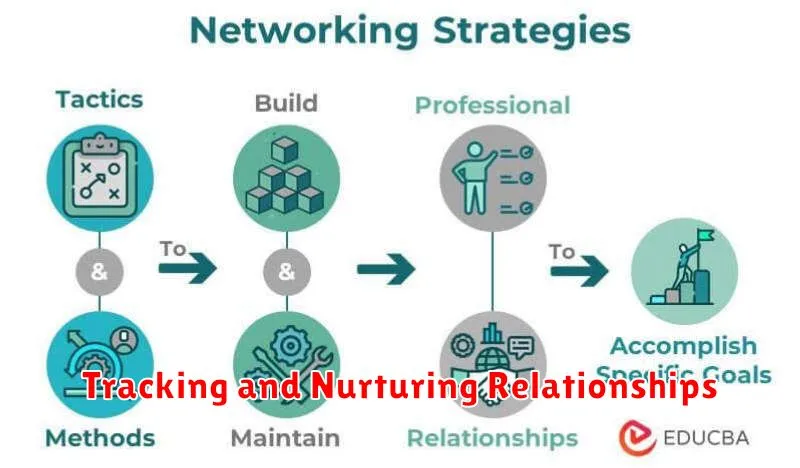
Networking isn’t a one-time event. Consistent follow-up is key to building strong relationships. Track your interactions using a spreadsheet, CRM system, or even a simple notebook. Record names, contact information, and relevant details from your conversations.
Nurturing these connections requires regular communication. This doesn’t mean constant emails or calls, but rather thoughtful touchpoints. Share relevant articles, congratulate them on achievements, or simply check in periodically. These small gestures demonstrate genuine interest and keep you top-of-mind.
