
Building a brand identity is crucial for any business, especially from day one. A strong brand identity not only differentiates you from competitors but also establishes a connection with your target audience. This foundational element helps shape customer perception, drives brand recognition, and ultimately influences purchasing decisions. From your logo and color palette to your messaging and values, every aspect contributes to crafting a unique and memorable brand identity. This article will provide a comprehensive guide on how to build a robust brand identity right from the start, setting your business up for long-term success.
Developing a compelling brand identity from day one is an investment in your business’s future. By strategically defining your brand values, brand voice, and visual identity, you create a consistent and recognizable presence in the market. This consistency fosters trust with customers and strengthens your overall brand image. Ignoring brand identity development in the early stages can lead to a fragmented and confusing brand experience for your audience. Follow the steps outlined in this article to establish a strong and effective brand identity from the very beginning of your entrepreneurial journey.
What Is Brand Identity?
Brand identity is the visible elements of a brand, such as color, design, and logo, that identify and distinguish the brand in consumers’ minds. It is a crucial aspect of your business and forms the foundation of how customers perceive your brand.
A well-defined brand identity fosters recognition, builds trust, and differentiates your business from competitors. It’s the collection of all elements that you create to portray the right image of your company to the consumer.
Brand identity is different from brand image, which is the customer’s perception of your brand. While you can shape brand image through your identity, it’s ultimately defined by the customer’s experience.
Crafting a Mission and Vision Statement
A mission statement defines your company’s current purpose and objective. It explains what you do, who you serve, and how you do it. Keep it concise and actionable, focusing on the present.
A vision statement, on the other hand, paints a picture of your company’s future aspirations. It articulates where you want to be and what long-term impact you aim to create. Think of it as your guiding star.
Both statements are crucial for establishing a strong brand identity. They provide direction, inform decision-making, and communicate your core values to both internal teams and external stakeholders.
Creating a Memorable Logo
A logo is the visual cornerstone of your brand identity. It’s often the first thing consumers see, and it should instantly communicate your brand’s values and personality.
Consider these key elements when designing your logo:
- Simplicity: A simple logo is easier to recognize and remember.
- Versatility: Ensure it works well across different platforms and sizes (website, social media, print).
- Timelessness: Avoid trendy elements that may quickly date your brand.
- Relevance: Your logo must align with your target audience and industry.
Work with a professional designer if possible to create a high-quality, effective logo. Investing in your logo upfront will pay dividends in the long run.
Choosing the Right Colors and Fonts
Color and font choices are crucial for establishing a recognizable brand identity. They convey your brand’s personality and values at a glance.
Consider your target audience. A youthful brand might use bright, vibrant colors and a modern font, while a luxury brand might opt for sophisticated, muted colors and a classic, elegant font.
Ensure consistency across all platforms. This creates a unified brand experience and reinforces recognition.
Building a Voice and Tone for Your Brand
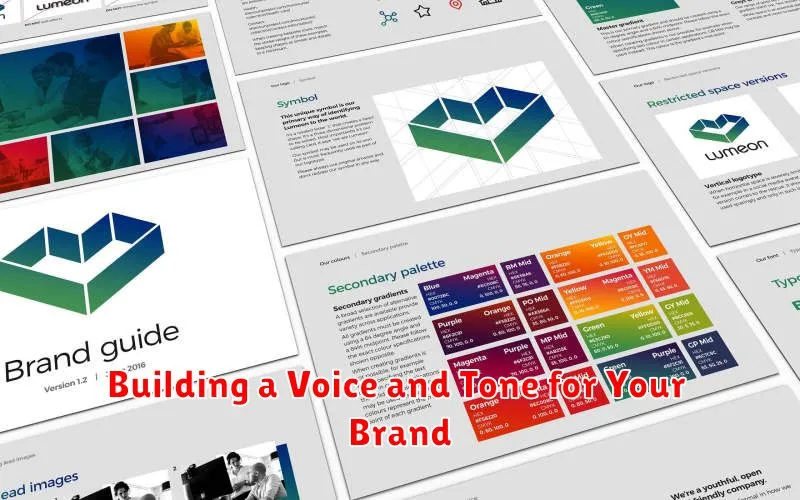
Establishing a distinct voice and tone is crucial for effective brand communication. Voice represents your brand’s personality, while tone adapts that personality to specific contexts.
Think of your brand as a person. Is it playful or serious? Formal or casual? Knowing your brand’s personality will guide your communication style.
Consider your target audience. How do they communicate? Mirroring their language helps build rapport.
Designing a Professional Website
Your website serves as the digital storefront for your brand. A professional design is crucial for establishing credibility and attracting your target audience. This involves more than just aesthetics; it encompasses user experience (UX) and functionality.
Consider a clean, uncluttered layout that prioritizes easy navigation. Ensure your website is mobile-responsive, adapting seamlessly to different screen sizes. High-quality images and concise, engaging content further enhance the professional appearance.
Choose a domain name that reflects your brand and is easy to remember. Invest in reliable hosting to ensure your website loads quickly and remains accessible.
Consistency Across All Channels
Maintaining a consistent brand identity across all channels is crucial for building recognition and trust. This means ensuring your brand’s visual elements, messaging, and tone of voice are the same whether customers interact with you on your website, social media platforms, or through physical materials like business cards.
Key elements to consider include your logo, color palette, typography, and imagery. These should be documented in a brand style guide for easy reference. Consistency breeds familiarity, and familiarity builds confidence in your brand.
Using Storytelling in Brand Messaging
Storytelling is a powerful tool for crafting compelling brand messaging. Instead of simply listing features and benefits, weave a narrative that resonates with your target audience. Stories create an emotional connection, making your brand more memorable and relatable.
Focus on the human element. Share stories about the people behind your brand, the problems you solve for customers, or the positive impact you have on the community. Authenticity is key; ensure your stories are genuine and reflect your brand values.
Consistency is crucial. Integrate storytelling into all aspects of your brand messaging, from social media posts to website copy and marketing materials. This creates a cohesive brand experience and reinforces your brand identity.
Creating Brand Guidelines
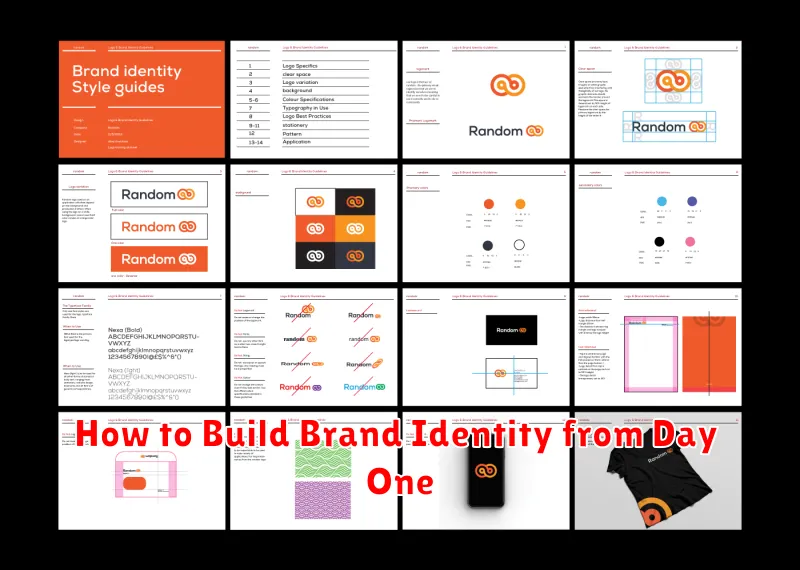
Brand guidelines are essentially the rulebook for your brand. They ensure consistency across all platforms and communications, reinforcing your brand identity.
Key elements to include are your logo variations (including spacing and prohibited uses), color palette (with specific color codes), typography guidelines (font families, sizes, and weights), and brand voice (tone, language, and style).
These guidelines ensure everyone representing your brand, from internal teams to external partners, adheres to the same standards, presenting a unified and professional image to the world.
Evolving Your Brand Over Time
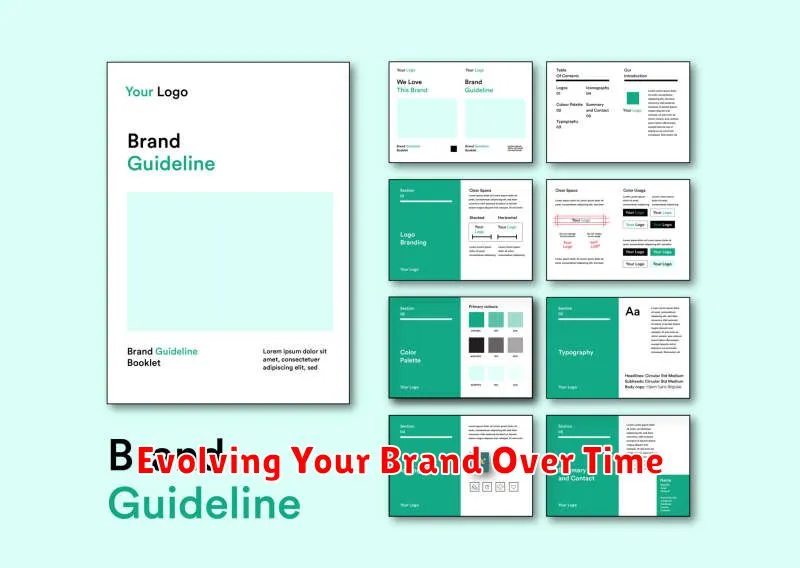
Building a brand is not a one-time event; it’s an ongoing process. As your business grows and the market changes, your brand needs to adapt. This evolution should be strategic, not reactive.
Regularly evaluate your brand’s performance. Are your messaging and visuals still resonating with your target audience? Has your customer base shifted? Analyzing these factors will help you identify areas for improvement and ensure your brand remains relevant and competitive.
When implementing changes, prioritize consistency. Maintain core brand elements while carefully introducing updates to your visual identity, messaging, and brand voice. This approach allows for evolution while preserving brand recognition and customer trust.
