
Want to boost your small business growth without breaking the bank? A referral program can be your secret weapon. By leveraging the power of word-of-mouth marketing, you can tap into a network of potential customers you might not otherwise reach. This guide will provide you with a comprehensive roadmap on how to build a referral program specifically tailored for your small business, covering everything from planning and implementation to tracking and optimization. Learn how to turn your satisfied customers into your most effective marketers and watch your business flourish.
Building a successful referral program doesn’t have to be complicated. This article outlines the key steps involved in creating a referral program that delivers real results for your small business. We’ll cover essential aspects such as defining clear goals, choosing the right incentives, promoting your program effectively, and analyzing its performance. Whether you’re a seasoned entrepreneur or just starting out, discover how to harness the power of referrals to drive small business growth and cultivate long-term customer loyalty.
Why Referrals Matter in Growth
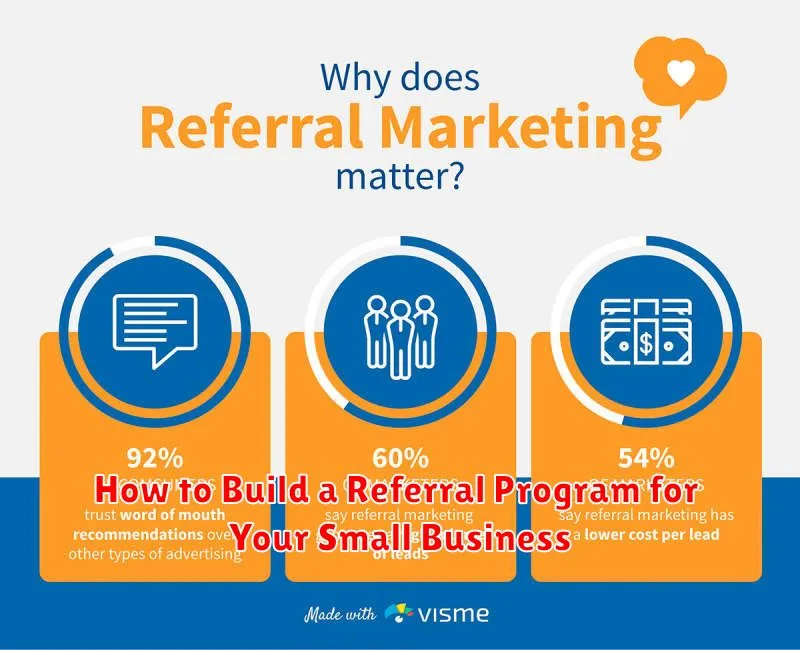
Referrals are a powerful engine for business growth, especially for small businesses. They provide a cost-effective way to acquire new customers while simultaneously building trust and loyalty.
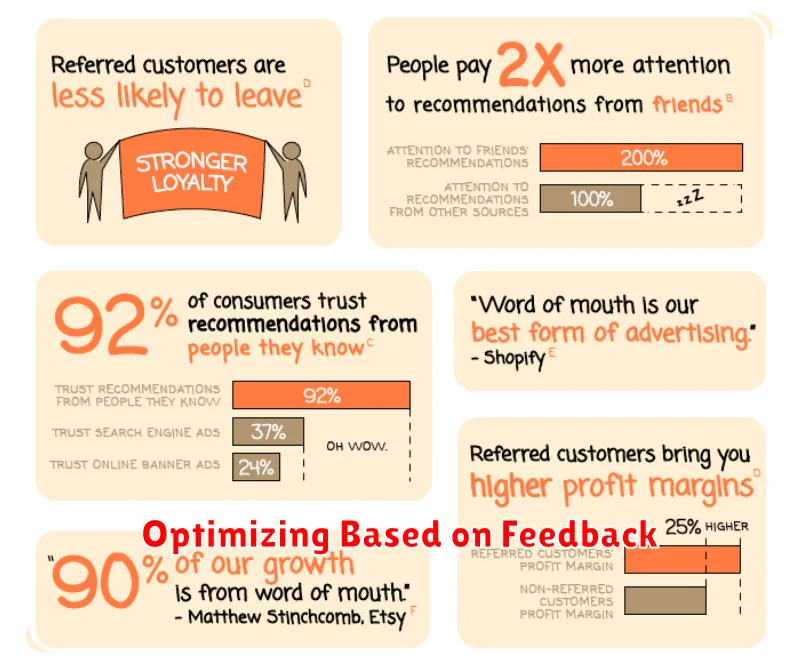
Customers acquired through referrals tend to have a higher lifetime value and lower churn rate compared to those acquired through other channels. This is because the inherent trust associated with a recommendation from a friend or family member predisposes the referred customer to a positive experience.
Furthermore, referrals significantly impact your brand’s credibility. A recommendation acts as a form of social proof, validating your business’s value proposition and encouraging others to consider your products or services.
Choosing the Right Incentive Structure
A successful referral program hinges on a compelling incentive structure. Consider what motivates your target audience. Are they driven by discounts, free products, or exclusive access? The key is to offer something perceived as valuable.
Two common structures are two-sided incentives (rewarding both the referrer and the referred friend) and one-sided incentives (rewarding only the referrer). Choosing the right structure depends on your budget and customer acquisition costs.
Carefully analyze your margins. Ensure the incentive cost is offset by the increased revenue generated through referrals. Test different structures to see what resonates best with your customer base and yields the highest return on investment.
Creating a Simple Referral Process
A straightforward referral process is key to a successful program. Keep it simple and easy for both the referrer and the referred friend. Complexity discourages participation.
Start by clearly defining the steps. How does the referrer submit a referral? Do they use a unique link, a referral code, or a dedicated form? Clarity is paramount.
Next, outline the reward process. When and how are rewards distributed? Ensure the process is transparent and efficient. This builds trust and encourages continued participation.
Promoting Your Referral Program
Once your referral program is established, promotion is key to its success. Clearly communicate the program details to your existing customer base. This can be achieved through various channels.
Email marketing is a highly effective method. Craft a dedicated email outlining the program’s benefits for both the referrer and the referred friend.
In-store signage can also be valuable, especially for businesses with physical locations. Place visually appealing signs near checkout counters or high-traffic areas.
Leverage your social media presence. Regularly post about the program, highlighting success stories or offering limited-time incentives. Consider running targeted ads to reach a wider audience.
Tracking Referrals Accurately
Accurate tracking is crucial for a successful referral program. Knowing where your referrals originate allows you to optimize your strategies and reward referrers appropriately. Several methods exist for tracking referrals effectively.
Utilize referral codes, unique to each referrer. This allows easy tracking when a new customer uses the code during purchase. Another method is to implement a referral link that referrers can share. These links contain unique identifiers that track referrals back to the source.
Referral software or platforms can automate the tracking process, providing valuable data and insights. For smaller businesses, a simple spreadsheet can also be effective for manually tracking referrals, especially if the volume is manageable. Regardless of your chosen method, ensure it’s consistent and reliable.
Incorporating Referral Links in Marketing
Referral links are essential for tracking and rewarding referrals. Integrate these unique links into your various marketing channels to maximize their reach.
Email Marketing: Embed referral links within email newsletters and promotional campaigns. Clearly explain the referral program’s benefits for both the referrer and the referred friend.
Social Media: Encourage sharing of personalized referral links on social media platforms. Craft compelling posts that highlight the program’s value proposition.
Website Integration: Feature prominent calls to action with embedded referral links on your website, particularly on the homepage and product pages.
Using CRM to Automate Referrals
Customer Relationship Management (CRM) systems are powerful tools for automating your referral program. A well-implemented CRM can streamline the entire process, from identifying potential referrers to tracking referral progress and rewarding successful referrals.
CRMs can automate key referral tasks such as:
- Triggering referral requests after positive customer interactions.
- Tracking referral links and coupon codes.
- Automatically notifying you of successful referrals.
- Distributing rewards to referrers and referred customers.
By automating these processes, you can significantly reduce the administrative burden of managing a referral program and ensure timely and consistent communication with participants.
Thanking and Rewarding Customers
A key component of a successful referral program is expressing gratitude and rewarding both the referrer and the referred customer. Thank you notes, personalized emails, or small gifts can show appreciation for the referral. These gestures build stronger customer relationships and encourage further referrals.
Incentivizing referrals is crucial. Offer rewards that are valuable to your target audience. These could include discounts, free products, exclusive access, or loyalty program points. Clearly communicate the reward structure to both parties to ensure transparency and encourage participation.
Consider a tiered reward system. This allows you to offer increasing rewards for multiple referrals, motivating your most loyal customers to become brand advocates.
Measuring ROI and Success
Measuring the success of your referral program is crucial. Return on Investment (ROI) is a key metric. Calculate it by dividing the profit generated from referrals by the total cost of the program.
Beyond ROI, track these metrics: referral conversion rate (how many referrals turn into customers), customer lifetime value of referred customers (how much they spend over time), and the number of referrals generated per customer.
Regularly analyzing these metrics will help you understand what’s working and what needs adjustment in your referral program.
Optimizing Based on Feedback
Gathering and analyzing feedback is crucial for a successful referral program. Regularly solicit feedback from both referring customers and referred friends.
Use surveys, polls, or direct outreach to understand what’s working and what’s not. Pay close attention to areas of friction, such as complicated reward redemption processes or unclear program guidelines.
Based on the feedback received, implement necessary changes to improve the referral experience. This iterative process of feedback and optimization will ensure your program stays effective and engaging.
